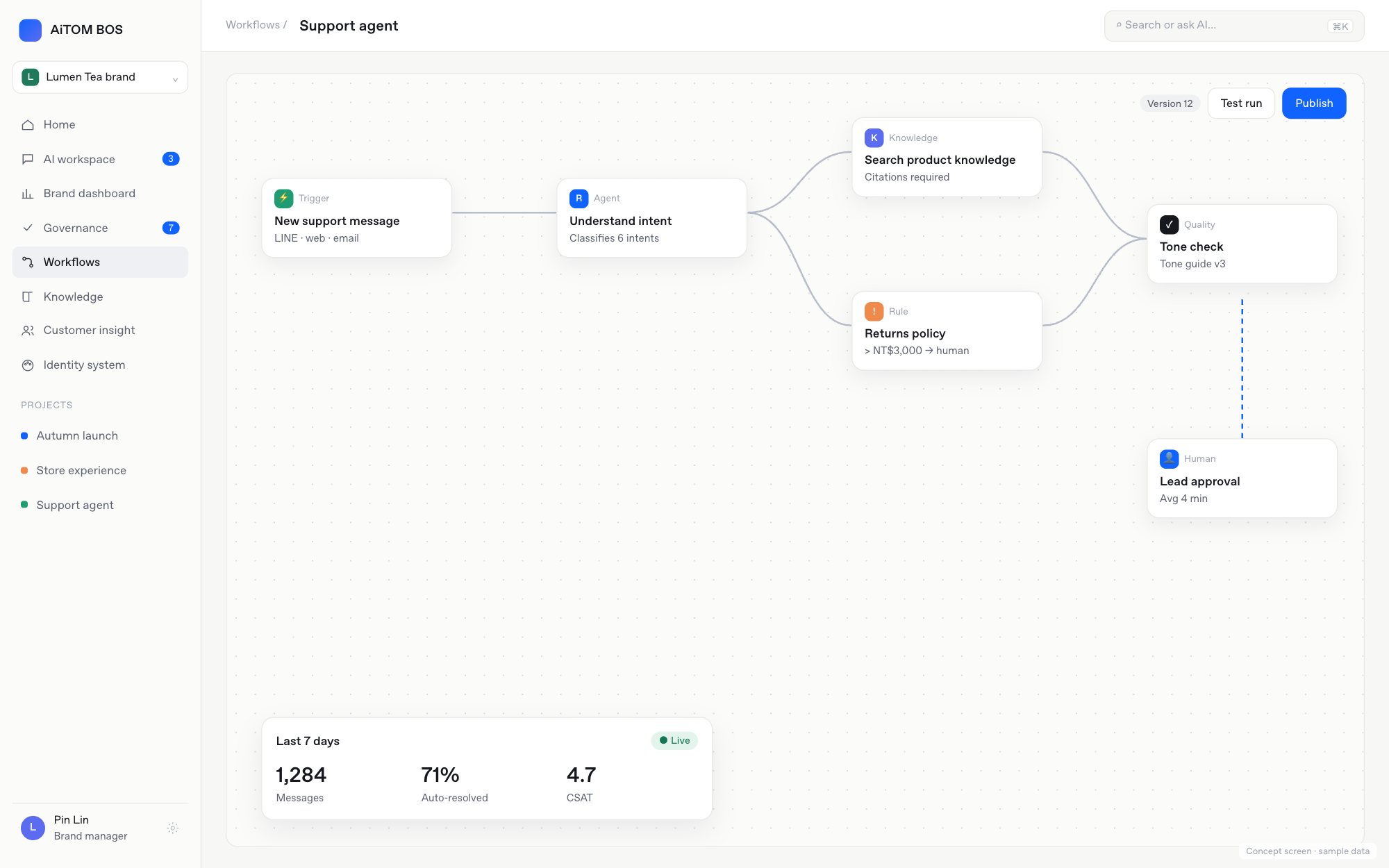
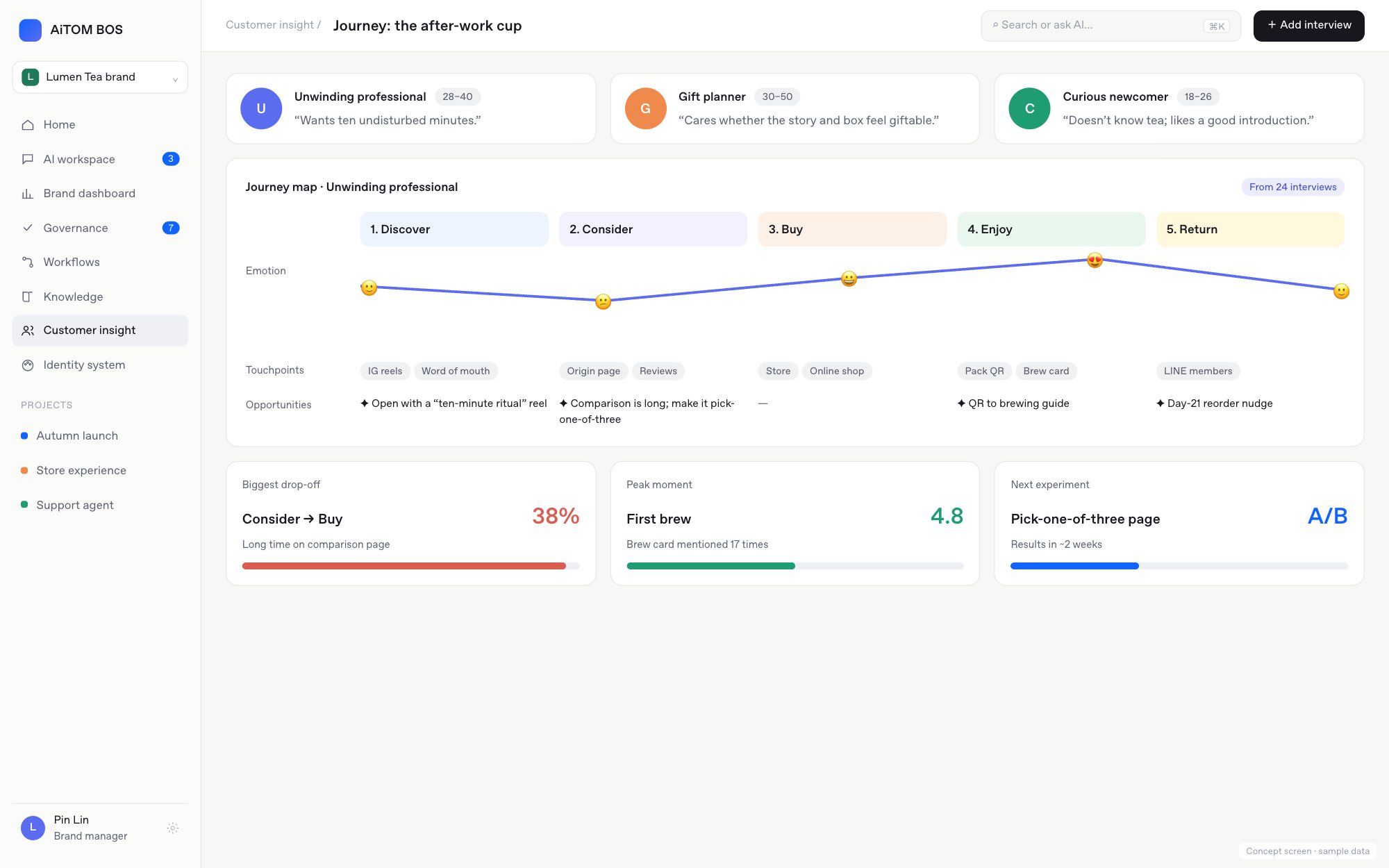
Organize enterprise knowledge
Turn scattered data into sourced knowledge that people can find and AI can cite.
Most companies are not short of information. What they lack is knowledge that can be found and trusted. Specs sit in shared drives, experience lives in senior colleagues’ heads, and decisions are scattered across meeting notes and chat threads. The same question gets asked and answered again every month.
Dropping documents into an AI looks fastest, but often returns a fluent answer with no clear source or version behind it. Organizing knowledge does not start with choosing a tool; it starts with giving every piece of information its source and context.
You may be seeing this
- Several versions of the same document, and nobody is sure which is current.
- Only a few people can answer certain questions, and work stalls when they are away.
- You tried AI Q&A, but answers cannot be traced to a source, so nobody dares use them.
- New hires learn mainly by asking around, and handovers take a long time.
How we approach it
- Inventory: start from the questions people actually ask, and list the knowledge truly needed instead of moving every file.
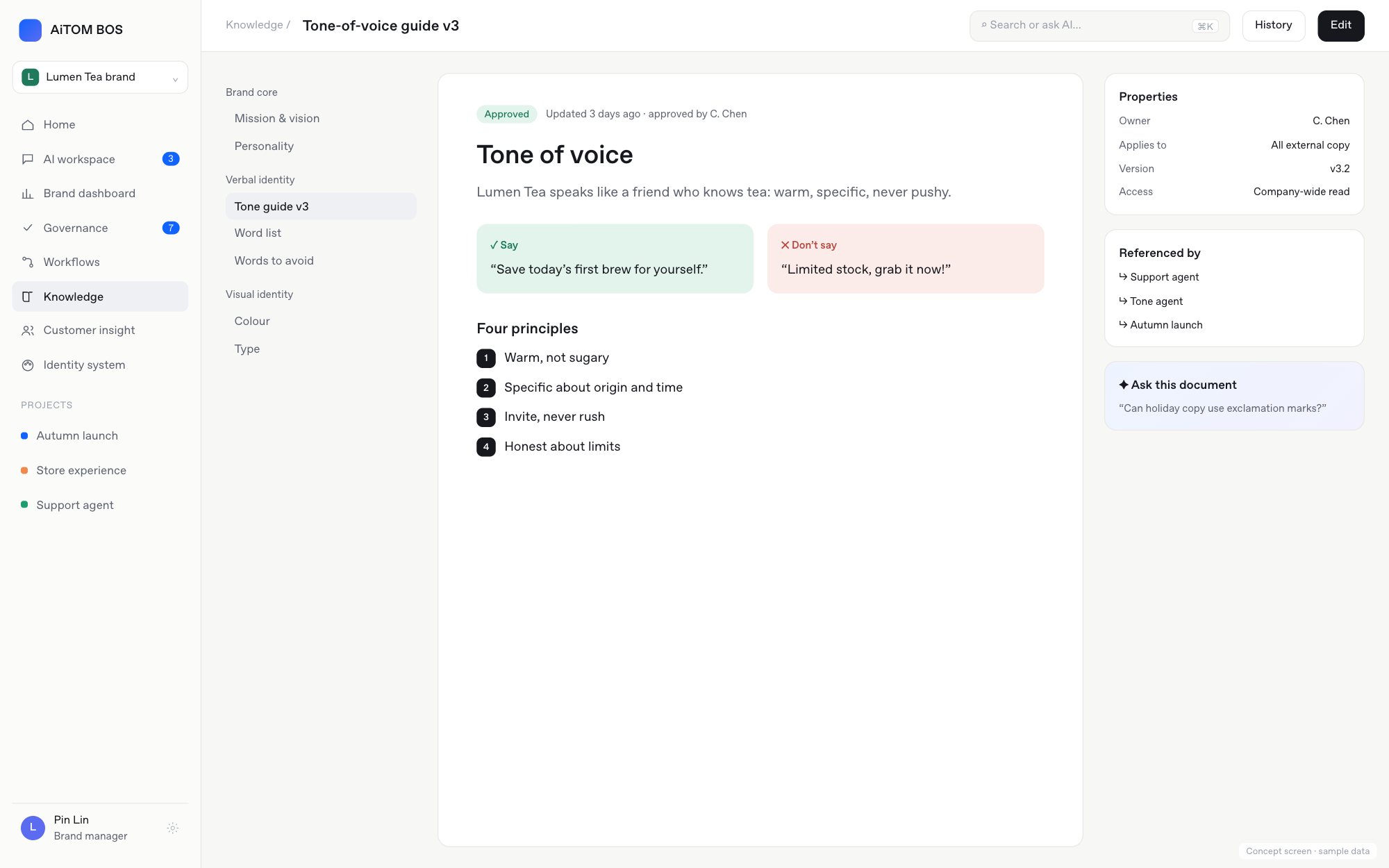
- Layering: separate confirmed facts, observations and assumptions, each with a source, date and owner.
- Structure: define fields and naming for the main knowledge types, so people and AI search the same way.
- Connect AI: answers cite their sources, and when there is no basis the AI says it does not know.
- Upkeep: decide who updates what, how often it is checked and how outdated items are marked.
What you get
- A knowledge map: what exists, where it lives and who owns it.
- A knowledge structure and naming rules.
- A first set of core knowledge, organized and sourced.
- How to use AI search, and its citation rules.
- An upkeep and review process.
How to tell it works
Look at daily work: can people find answers to common questions themselves, can each answer be traced to a source, are new hires asking fewer repeat questions? We agree on specific measures before starting and review them after a period of use.
Knowledge is worth something when it can be found and trusted the next time it is needed.